I found a ticket in my
coat pocket the other
day.
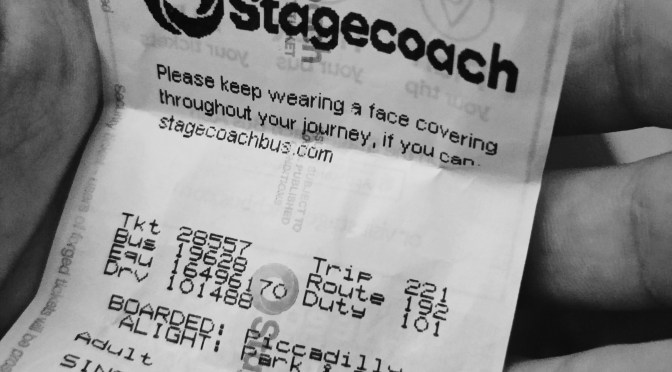
It was a bus ticket
from Manchester.
I’d paid cash.
"Piccadilly,
where dreams go to die".
Lots of things happen there
some good
some bad
all rad?
My bad
Hey dad …
I’ll stop now.
I don’t exactly miss that bus,
its shuddering presence,
the questionably warm back seats of the lower deck.
They'd always smell like a years-worth of engine fumes,
stored away into the
hard wearing abstract pattern.
That
or an ill-kept Henry Hoover,
which I suppose is a small price to pay for comfort,
especially when considering the chilly temperatures of Manchester's winter.
The bus ticket was probably one of
the last things I bought in that city.
Although I’ll no doubt buy more in future,
chugging up and down the surprisingly straight
Oxford Road,
with it's mixture of grandiose and less-than-grand architecture plotted along
somewhat randomly.
	Buses are an interesting place,
Reminds you how slow life can be
when you’re stuck in a traffic jam with
everyone.
All suspended in thought … well
not all, but most.
Some would rather shout about it,
announcing their thoughts out loud
hoping someone will join in,
which they seldom do
if they have any sense.
Let bygones be bygones.
and let people who shout on
buses do their thing.
Good rules to go by in life.
Here’s to the next bus journey I inevitably take in Manchester because of an unsurprisingly 'sudden' downpour.
Category Archives: Poetry
February Poetry: what happened to the uncertain?
What happened to the what’s?
	the why’s
		the where’s
	the wear and tear
the “are those grey hairs?”
that long empty stare
as you slump up the stairs
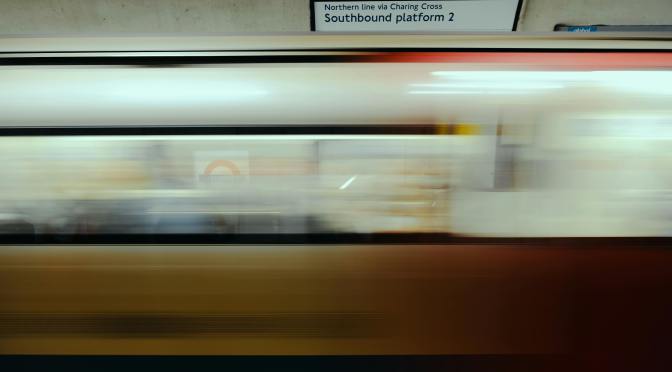
underground
	moving sound
		another screech
lacking speech
the please do not stare
the “please mind the 	gap”
the brief open air
	the scurry
the grind
	a fresh cup of coffee
that rush
	of caffeine
in that static chair
as you stare
	into a moving screen
full of mice
	that are off for the cheese
in tall towering traps
suspended in the air
soaring above
	for those
soaring past underground
tired but sound.

Janurary Poetry: W.I.P
He’d often stare back at himself in the mirror,
wondering who he was that day.
He knew where,
but as he grew older
he found out that
mattered less.
	The sun gleamed in through the
frosted glass,
	warming his skin,
reminding him of the
human necessity for warmth.
That first sip of coffee
was also something he routinely
enjoyed,
	almost as if anything
birthed from the earth’s soil
had an integral consistency.
Even if,	humans seemed to be
doing their best to interfere.
For now,
	the coffee remained good
and as for him,
things were a work in progress.
October Poetry: A Silent Room
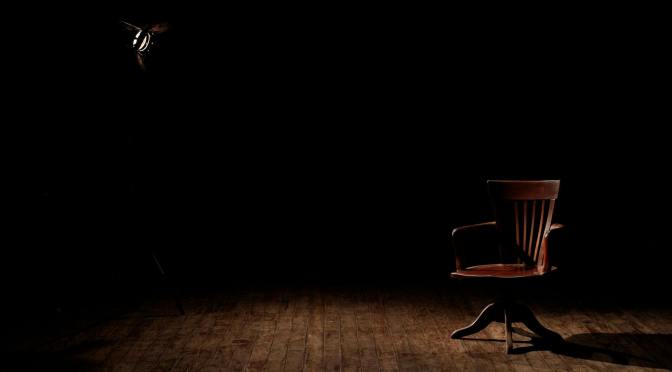
She’d been sat in that dark room for hours,
the streetlights creeping in through
the blinds
like ants.
It would not be the first time
she would spend an evening alone,
the echoes were quieter that way.
Reflections of a loud
and jarring
energy from her P.E teacher
who was adamant on using
the school’s megaphone
at a constant rate.
‘The weakest are always the loudest’
her Mum would say.
Why then did she always flock
to the class clown, the brash,
the cocky, the arrogant, the overly
self-assured?
Was she predisposed to like
weak men?
Her father wasn’t weak.
If he was
	he certainly didn’t show it.
He was a quiet man
	after all.
The corners of his armchair
slightly worn away,
inanimate objects
playing audience,
	the orchestra his fingers
reciting any complex emotion
onto the paisley embossed
print of the chair cover.
You could often tell a lot about
a family by
	not what they owned
but
	by the condition of what they owned.
As a young girl she’d
speak her mind
	when noticing the small details
	etched into the objects
in her friend’s houses.
No wonder she stopped
getting invited over.
Every time she did
that
family would end up arguing.
	She always thought
	that she had been
cursed with the power of
being overly observant.
It had brought nothing good
to her life.
She wished she could choose
when to notice things like
everyone else.
However that wasn’t the case.
So she sat there,
	in that dark room,
	giving her mind a much needed
	break whilst her eyes were adjusting
to the light,
or lack thereof.
It would only be minutes before
the details encased within
would whisper their secrets
into her ear
yet
again.
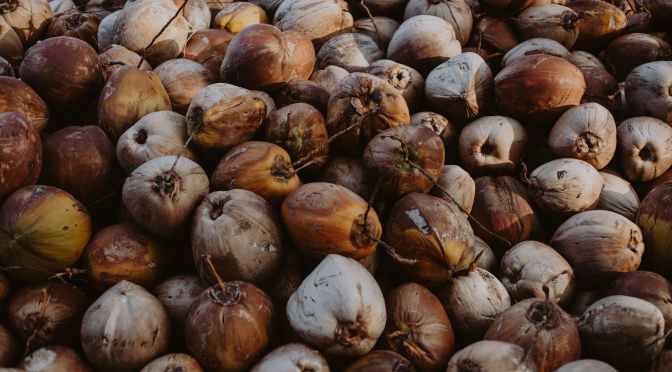
September Poetry: large coconuts, small earth
The world’s not that big.
Sure,
it can take a while
to get from one side to the other,
but that don’t make it big.
The only thing that makes it
big,
are the people in it.
The ones who strive for a
happy life,
a simple life.

He would sell coconuts on the
side of the road,
the Pan-American highway to be exact.
On the border of Ecuador
he would see the various faces of the world
drive by.
Some would even stop for the green,
hollow things stacked up on his plastic table.
It was from a rickety old chair
his grandpa had once sat on,
where he would watch
it all pass by.
He had never strayed too far from the
four legged, wooden thing,
lay between his legs.
Too afraid he’d find the edge of the
world and fall off.
Grandpa would always say,
	“Come back soon Nestor,
and for goodness sake make sure you
	don’t fall off.”
Everyone used to think he was crazy,
	they’d chuckle when he would
mention anything about the edge.
Soon enough
	the same people who laughed
headed off in search for another
corner of the earth,
never to be seen again.
no letters,
no messages,
no nothing.
Soon people stopped laughing,
their ears pricking up every time the old
man would start
	spouting wisdom.
People laugh at what they don’t
understand.
	I used to do the same back then
and maybe too much even now.
However since he passed
I stick to the chair,
	the coconuts before me
and stay well away from that edge.
The world is smaller
	than its own stories.
The world is smaller
	Without Grandpa and his chair.
September Poetry: Conflicted Movement
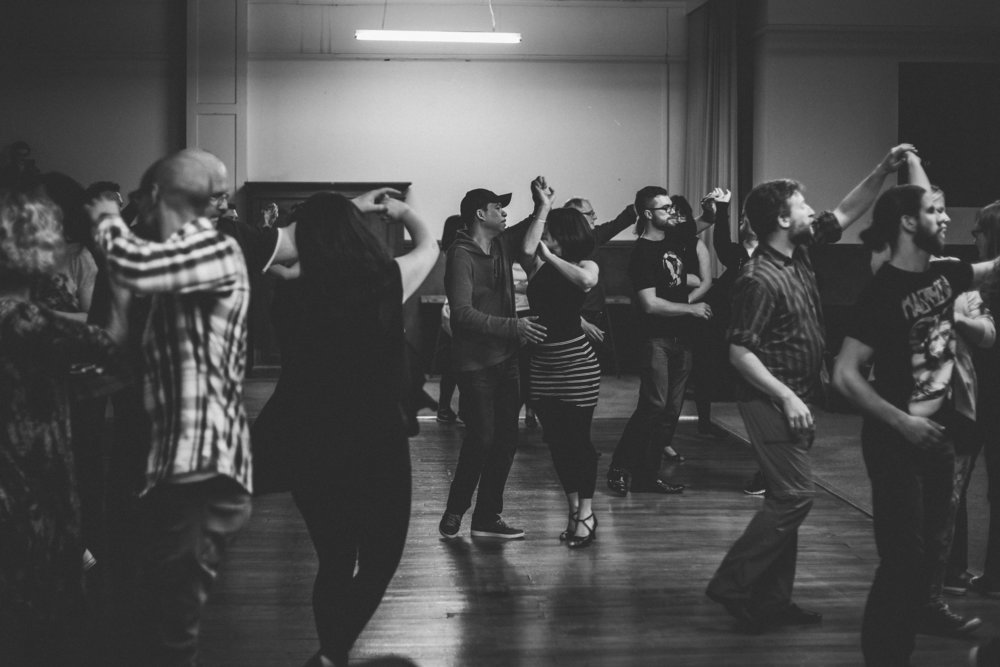
She said,
“I’m upset you didn’t dance with me”,
my englishness held me back.
Reserved,
too proud to dance.
I stood there on the side lines
watching the people have
fun,
fighting an urge,
embarrassed to break the rigid
paper mache mask I am still
wearing.

It is made of yesterday’s headlines.

I remember hearing the local band,
Humans together bringing the world
something profound with their music.
I was with my family,
yet again I felt it,
my soul being illuminated,
my eyes begin to water
as I pay witness
to the joy of people feeling free.
It’s part of the culture,
accepting the bodies imperfections
in how it sways and flings
to the pulsating sounds of
the music.

“I’m upset you didn’t dance with me”
I acknowledged this
with a great sadness.
She wouldn’t have known.
We connected through a similar
background,
certain values ingrained in us
through growing up.
She moved her hips more freely,
was this because she was a
girl?
a poor excuse.
she’d been less exposed to the
rigid culture that held so many
of the brits back.

“keep calm and carry on”
“sit tight, it’ll be over soon”
“stiffen that upper lip”
How can I enjoy the freedom
of salsa or the soul in
cumbia
when I have
constricted my limbs of movement
or my heart of expression?

Flags are free to move
however they so choose.
The wind encourages them every day,
but the long, white pole they hang off
reminds them of the duties they
must
represent.

The union jack dances the same
way the peruvian flag dances
in the wind.
I choose to be formless,
free to move
but not forgetful of what,
or who,
I am.
September Poetry: a ziplock bag
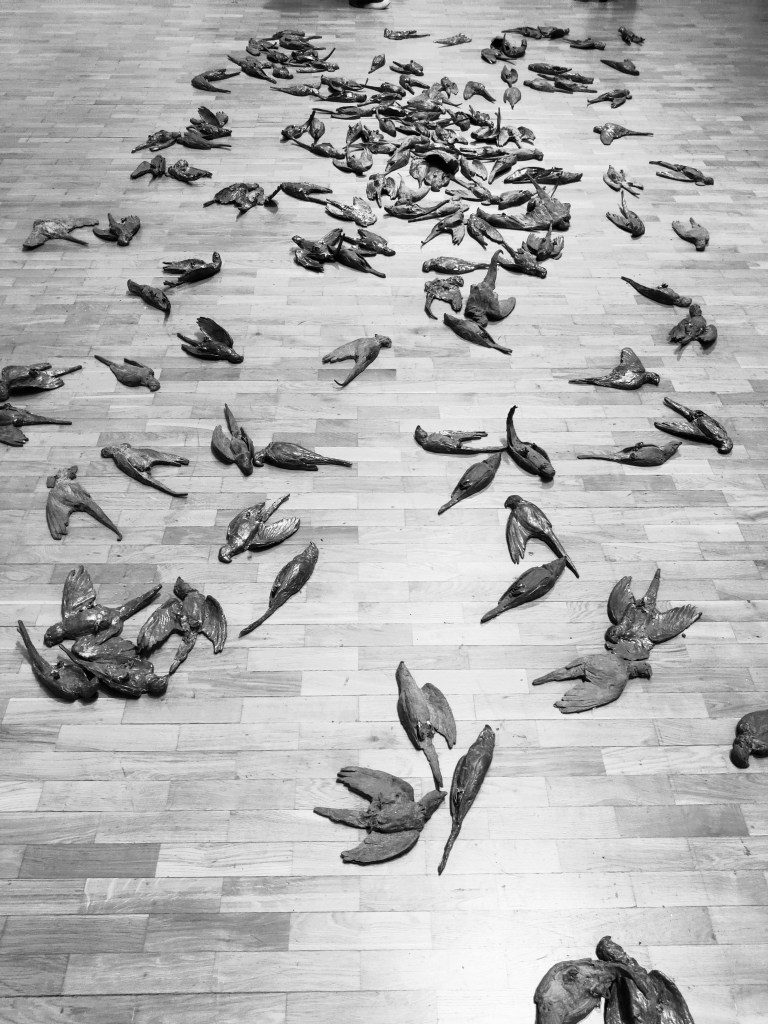
For the most part,
he kept his heart in a zip lock bag.
That way less people would
ask him if he had one.
A question he grew tired of.
Course he had one.
Silly question.

It was like asking the sky if it was blue.
Yes, sometimes it looked grey,
but even the sky got tired
of being the same colour.

He would leave it
sat next to him
when eating his lunch
at the local park.

The pigeons would bob their head
and move in closer,
thinking if they lingered for long enough,
they'd get a piec;
his heart an escaped crumb
from a loveless granary loaf.

They didn't know any better.

Neither did the children who would
stare as they were dragged past
by their mother's hand.
'Anyone told you it was rude to stare'
I'd think to myself.
It was no use however,
Children were curious beings.
They probably wondered why
I was feeding my heart to
the pigeons,
the pigeons wondered why I
wasn't.

Regardless,
it sagged over on itself
looking disgruntled.

I should have probably
written my name on it,
across one of the semi translucent
white lines,
just incase I did ever misplace it.

How long could I go without it?
There are lots of people wanting
a replacement these day.
Suppose I never got it back,
that wouldn't be ideal.

What if the sky never turned blue again?
Would the birds refuse to sing?
One thing for sure is that
the pigeons would still be hungry.
August Poetry: Primrose Hill
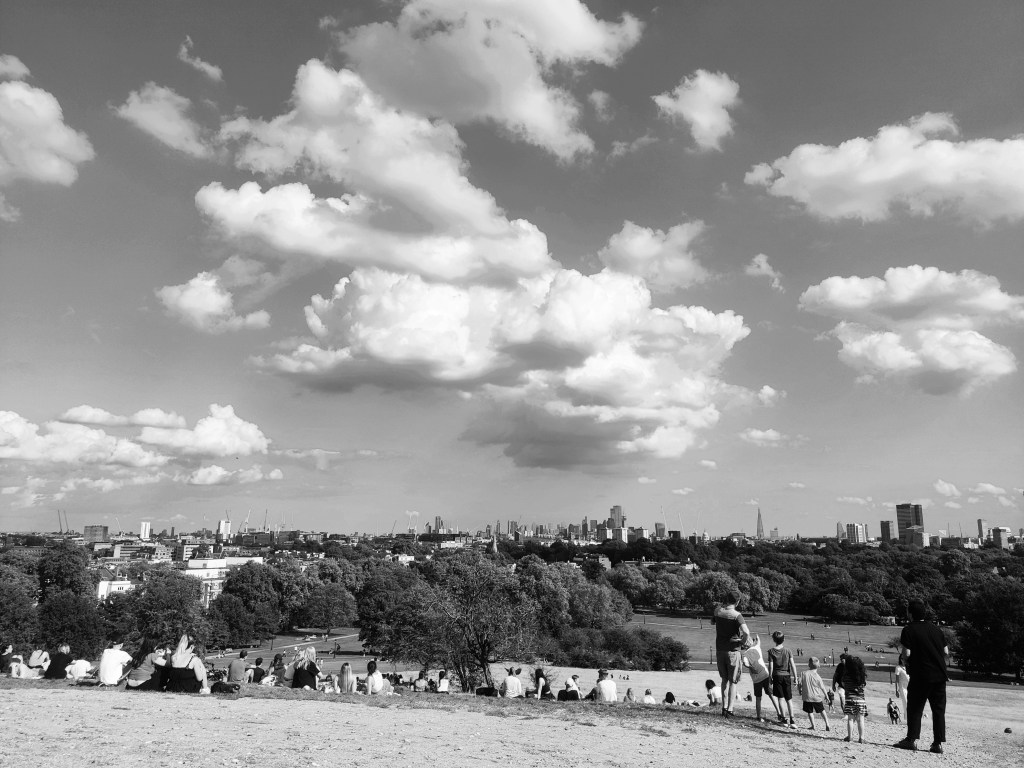
The city lay in front of everyone,
a model village to them,
they had never felt so big.
A city that once swallowed them up
with its’ big skyscrapers and wall art
now seemed all so small.

“London eye, London eye”
a little child called out.
A large spinning wheel now
fit between his two fingers.
He tried pinching it, but it wouldn’t seem to
move.
A panorama of symbols
filled the landscape,
from edge to edge
a focus point merely blurring them out.
They would never disappear.

Sprawled out before them,
an extravagant banquet.
A feast fit for royalty.
often gobbled up by
those who sat
in quiet halls
in which ceilings remained
inexplicably high
along with their standards of life.

There stood as many cranes as there were
high-rises.
A future that pointed towards
the sky,
hinting at growth,
but only in the literal sense.
What was the cost?
Soon the skyline would be full
each building bigger than the other,
a concrete competition.

Yet,
the people wouldn’t change,
staying as they had been,
even shrinking.
An earth that could no longer feed them
through the greed of those sat in their vast spaces.
They would carry on starving
as the towers
would gorge themselves on
the sun that reigned above them,
casting a shadow amongst those
that built them,
that birthed
these monstrous
Giants of the sky.
August Poetry: Brazil, Books, Beaches
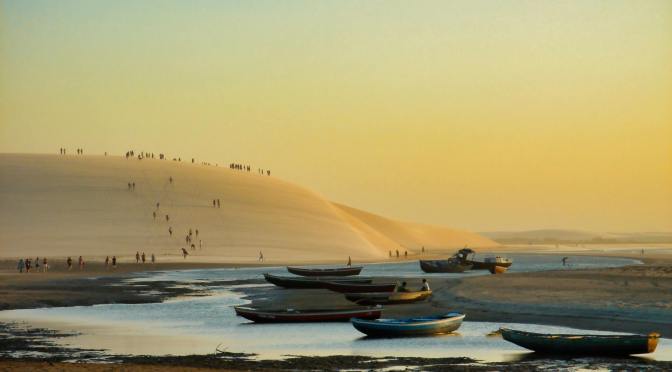
I dream of Brazil,
I dream of listening to bosa nova
music in a café whilst eating my breakfast.
I lift up a cup of warm coffee,
a taste unfamiliar to me more than
a few months ago but one that
now greets my lips like an old friend.
The novel I’m reading is
sat on the table,
much like I’m sat next to it,
resting yet again until
I breathe life into it
or more so,
until it breathes life into me.
My pulse tempers as I
flick through the pages,
my mind anywhere but here,
any time but now.
I place the book down,
pausing to stare at the
frolicking waves to my side.
Out there,
	there is nothing for miles,
	no land for mankind.
	Good,
keep it that way.
Leave the fish to swim,
	whilst I finish this cup of coffee.
August Poetry: Brazil is Blue
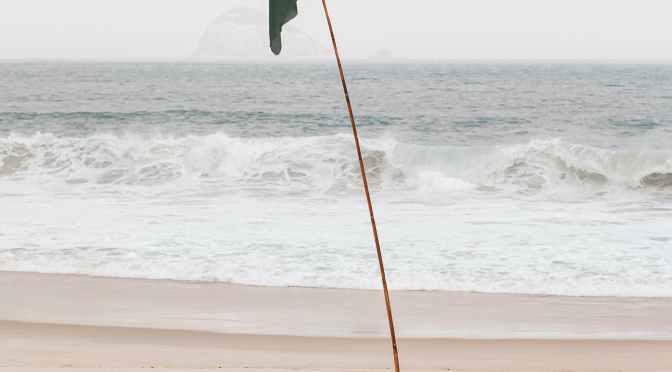
The skies seemed
	more blue
in Brazil.
The birds seemed
	more flighty.
Unwilling to land
or even comprehend
the idea of closing
	their wings.
To do so would be unjust.
To do so would mean that
	they were no longer
	souring.
A part of the clouds
Overhead and the
	Fish that naively
		swam below.
So many of the two legged beings
	seemed happy.
	static on the hot sand
that stopped the Sea in its footsteps.
	To them being still was
	part of life.
a life they so often didn’t question.
So few knew what it meant to Soar.
	so few cared to find out.
They left the flying to the birds
and the dying to themselves.
	The skies seemed
	more blue
	in Brazil,
but the people died all the same.
 wear shoes, write poems