
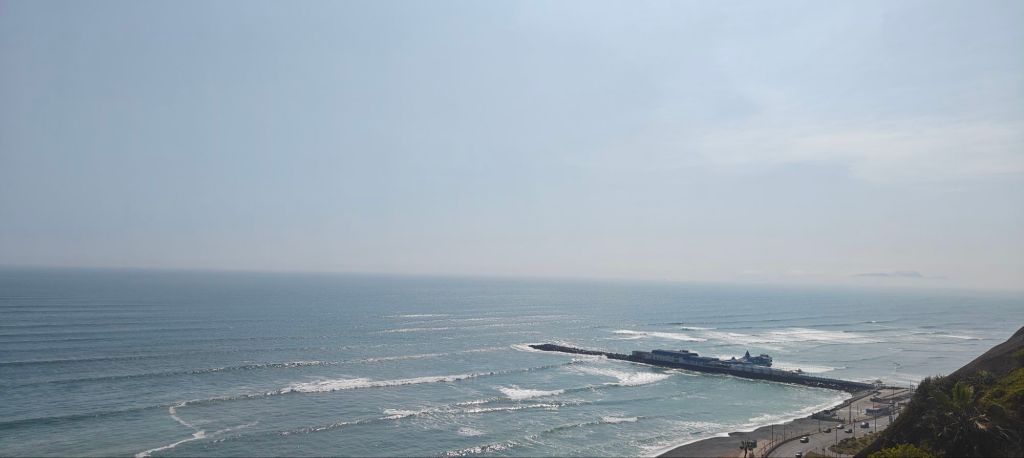
Lima is the capital of Peru. A city that everyone has to fly into to get to any and all of the country’s famous tourist sites. Fun fact: Peru is nine times the size of the UK, which gives you a sense of scale. I have only ever scratched the surface when it comes to what the South American contenent has to offer, rendering me anything but an expert so if you are after such knowledge then this may not be the place for you. That said, what I’m writing about doesn’t require you to leave Lima at all. Better yet, it is free. It is certainly not world-renowned like Machu Pichu or as historically significant as Sacsayhuamán, there is no kudos in seeing it, no bragging rights or boasting to your mates down the local boozer about it … the last of which would likely result in a few laughs on your behalf. Although noticing it is commendable or even noting it would speak volumes about your perceptive skills.
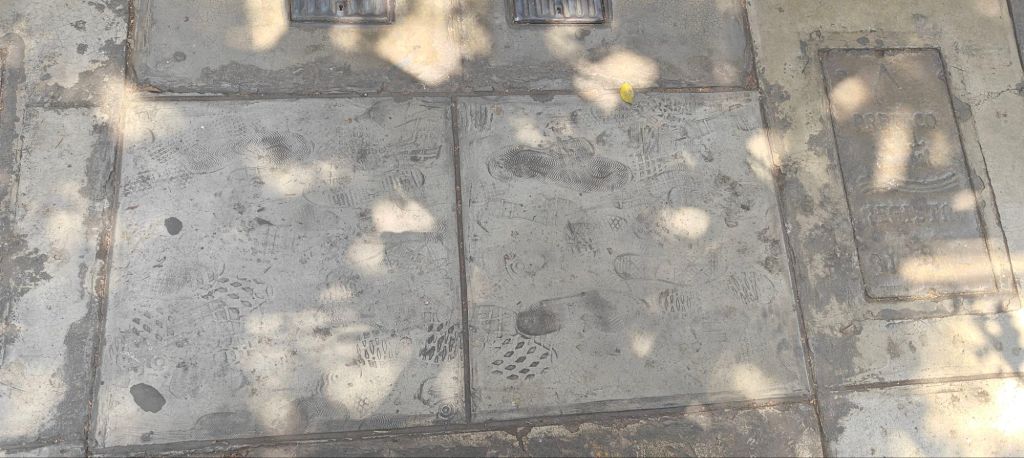
Walking around Lima, it is easy to get distracted by the architecture and distinct energy. For most, this will be your first chance to gather a sense of what Peru means to you, at least as far as city life is concerned. Lima’s pavements, sidewalks or la veredas are like any other city in so much as they get you from A to B. The concrete below your feet that interlinks the large metropolis feels like any other. It is hardly a tourist site in itself, a point I would hardly contest. However, if you’re fascinated by all things shoe-related then the streets of Lima might just be a fascinating space to you.
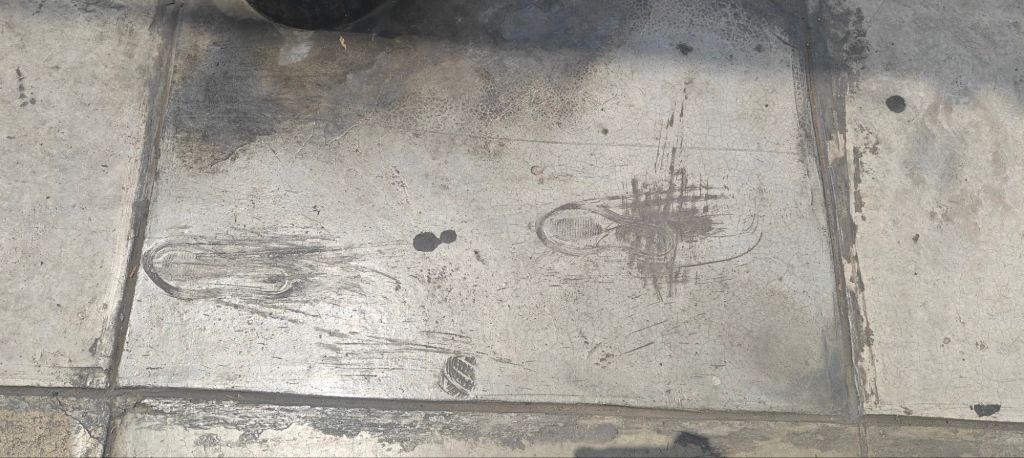
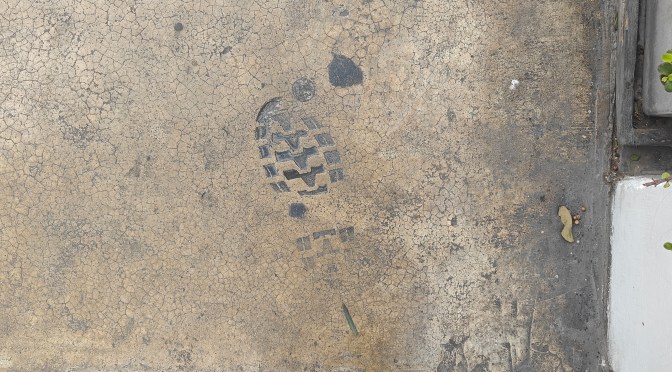
It had been over two years since I’d had the chance to wander its streets. A persistent mist and elderly men with white beards reading alone made up the mostly unexplored canvas of the city for me. Yet upon this visit, it was neither of those things that distracted me, instead, I found my gaze constantly drifting towards the ground below. Footprints pressed into the concrete pavement were frequent, no longer an accident or detail I could breeze past (pardon the pun). I’d never taken notice of this in any other city, a fact made even more noteworthy as I am someone who has a knack for spotting abandoned footwear (another project entirely). Why were there so many footprints dotted about? What did this mean about Lima and the people who lived there?
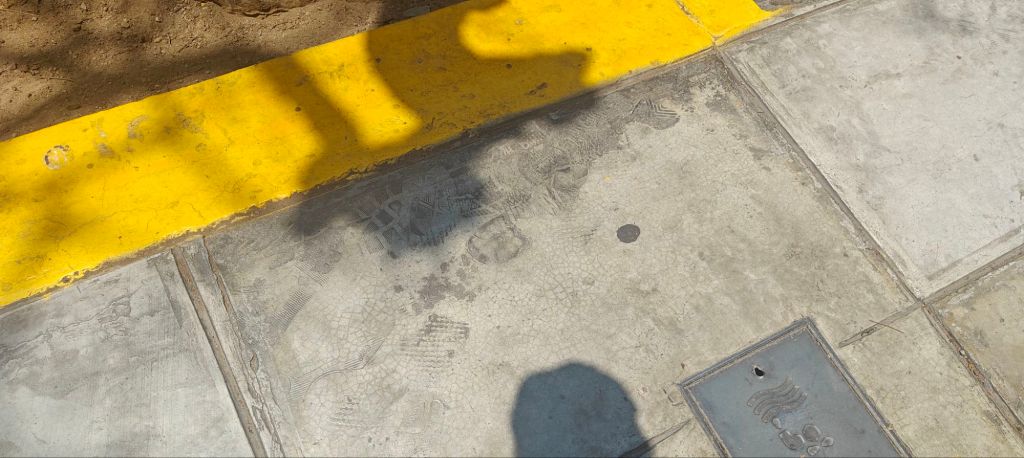
Perhaps it was because London’s pavements were built from a different type of concrete, was it that simple? Or was it that the English were too polite? A stereotype of course and an outdated one as London is recognised as a global hub, making it a poor explanation. Maybe it was that the people of London were very adherent to the rules and regulations, the literal red tape that would often surround such a freshly paved sidewalk would clearly be enough of a deterrent … right?
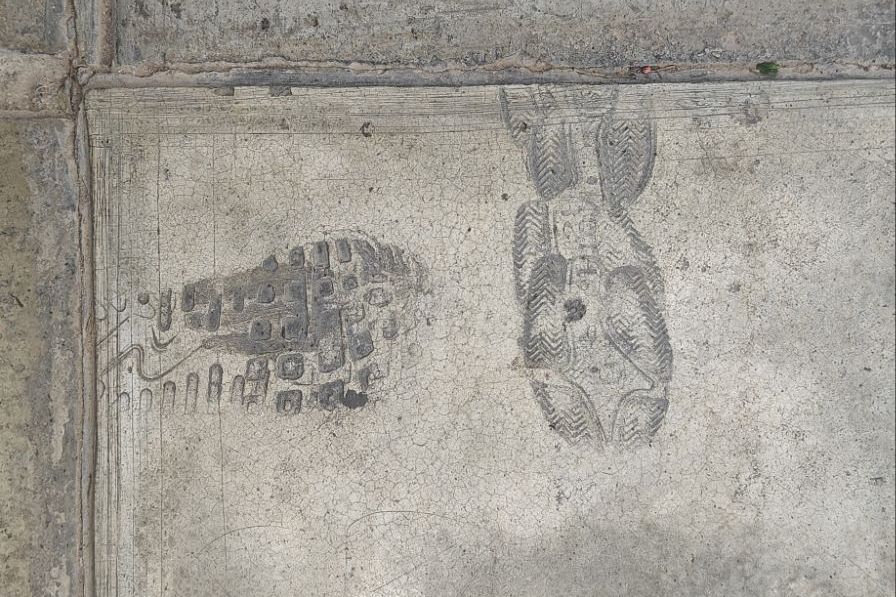
Could it be that the Peruvian government invested more in the public infrastructure? Pouring millions of dollars into the concrete sidewalks of Lima with many of the blocks sectioned off at a time and therefore increasing the chances of accidental footprints happening? This also seemed too simple but I admit there is certainly a logic in this hypothetical. Unlike London, Lima was less rainy which gives the Peruvian people more of a chance to lay fresh concrete … although I think I just made that up.
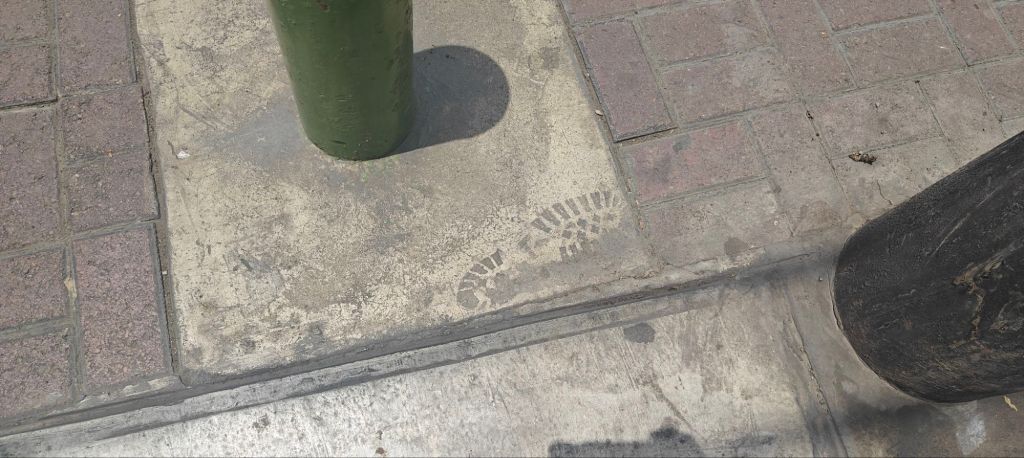
Was it that Peruvian people, more specifically the Peruvians of Lima, were impatient and therefore more likely to cut corners while traversing the city. Is it just part of the city mindset or grindset? Yet London is a very dog-eat-dog place that has less footprint-covered walkways (this statement is obviously anecdotal as surprise, surprise, I have yet to walk every street in London, or Lima for that matter).
Or was it that the people of Lima were more clumsy and less aware of their surroundings? I could see how consistently great food and weather could contribute to a more laissez-faire approach to life. After all, “watch where you’re walking!” is certainly a phrase that can be heard beckoned by an angry Londoner. Even New Yorkers are known for shouting, “Hey! I’m walking here!”. As far as I know there is not a Peruvian equivalent. This isn’t to say one does not exist as I am not exactly a professor of Peruvian linguistics, if that were the case then I’d have a couple of books to my name.
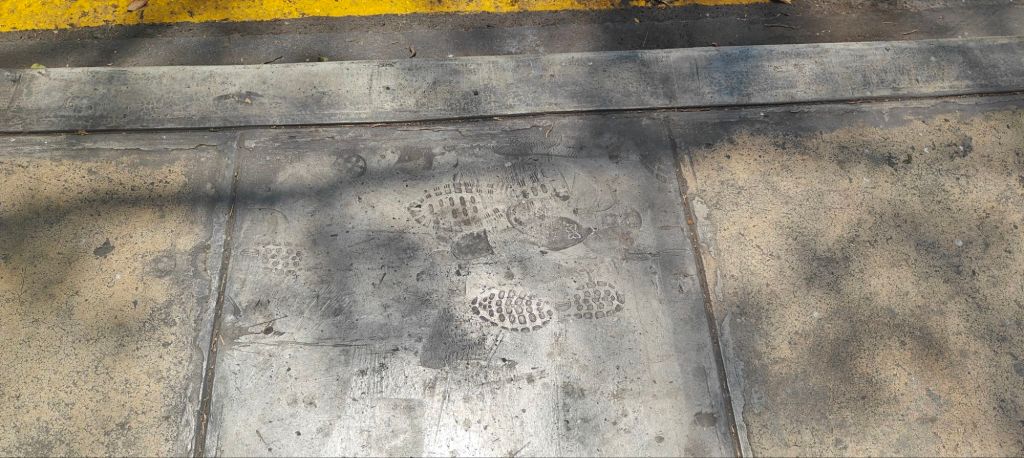
Was it the lack of literal red tape? I’ve been around Peru long enough to realise that when it comes to construction, things are often not done ‘by the book’. Maybe that book got lost in shipping, left on the shelf or simply not read at all (personally I think it is the latter). Unless under the supervision of some mega construction company, many of the health and safety regulations would end up somewhat flouted. With that in mind, would the tape around freshly laid concrete be completely removed from the occasion? Leaving many commuters around the city vulnerable to concrete-covered shoes. Perhaps there is an inside joke about this among Peruvian people that I will later go on to learn. Here’s hoping!
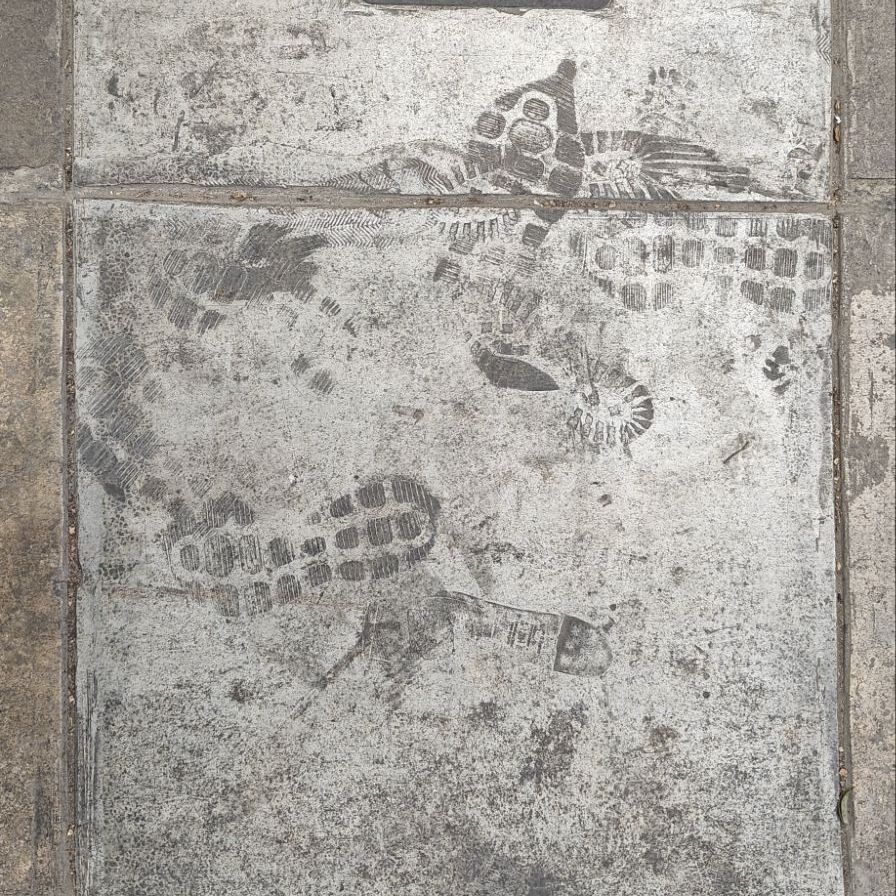
OR was it nothing to do with Peruvian people at all and in fact all to do with the influx of clumsy tourists. Those jetlagged or broken after walking the Inca Trail would be considerably more inclined to make mistakes.
Whatever the reason, the footprints of Lima are many in number and can be seen sprinkled about. From what I can remember they were for the most part a collection of sports shoe imprints, with few high heels scattered about here and there. It is obvious that it was a vast enough occurrence to trigger a sense of enigma in my mind, leading me to write about it.
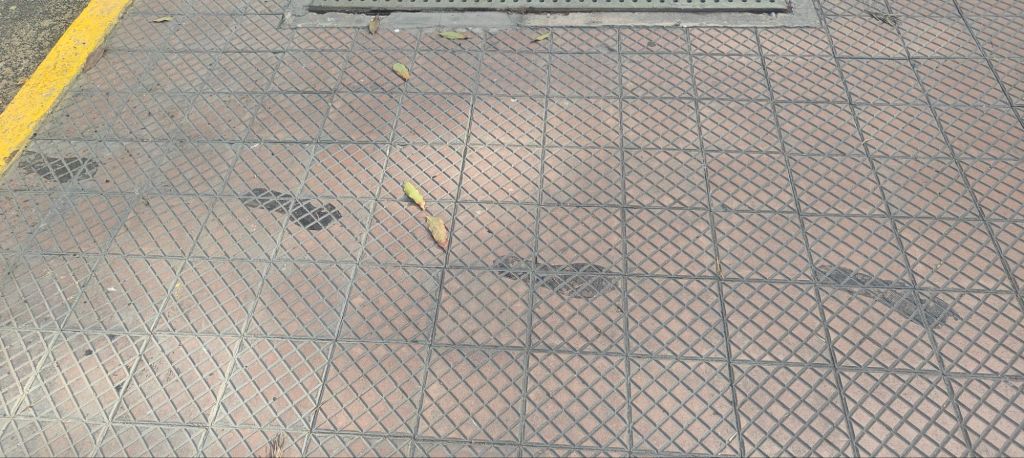
I will likely never know or meet the people whose outlined feet are pressed into the capital’s street. I do not mind this, at least as far as the near future is concerned. I cannot however promise that it won’t keep me up at night when I hit the age of sixty. Maybe I’ll be fortunate enough to create a documentary about this one day. You could argue that in a way, these prints are a form of abstract graffiti, one more personal than even your signature. This would inadvertently make Lima a city full of truly unsuspecting Graff artists which although cool, doesn’t fit the bill.
I think there is a logical answer to this mystery but for now I think it is better off remaining unanswered.
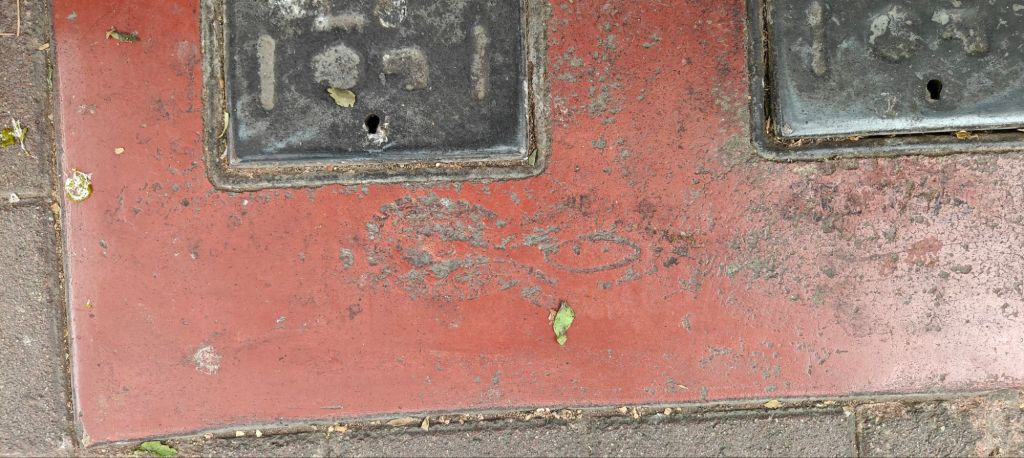
If you are ever lucky enough to visit Lima, make sure you look down. If you do spot any footprints be sure to take a photo. Send them in if you do, or if you are actually a part of an underground footprint-based cult then also let me know. But if the cult does any weird stuff then please don’t bother … only do it if it is a space for the hip and friendly!
Thanks for reading this slightly odd thought experiment, one that as a half-Peruvian myself has allowed me to explore my other half (wait that sounds wrong).
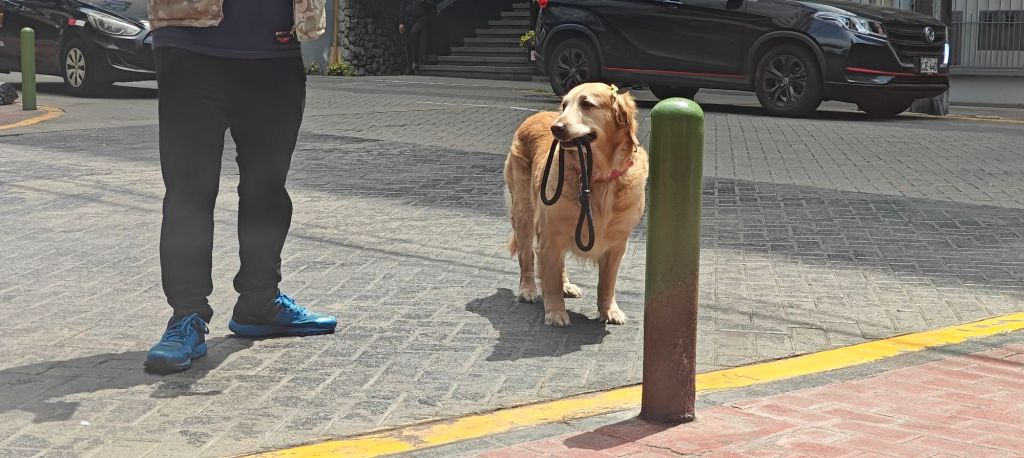


 wear shoes, write poems