
Tag Archives: Wim Wenders

Shoes In Film: Perfect Days

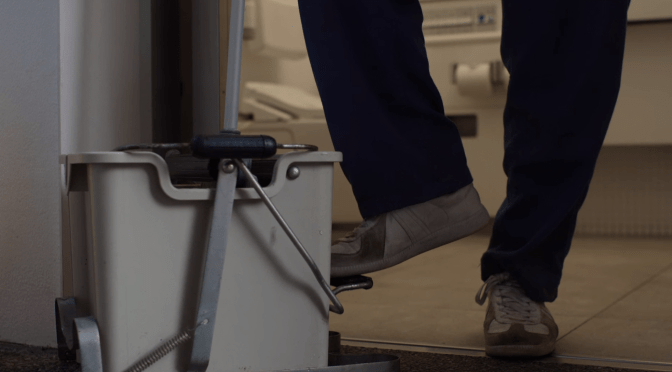
One of my favourite films in the last few years is Wim Wender’s Perfect Days. Upon my first watch, I spotted the main protagonist wearing a pair of GATs (German Army Trainer), the perfect choice for such a character.
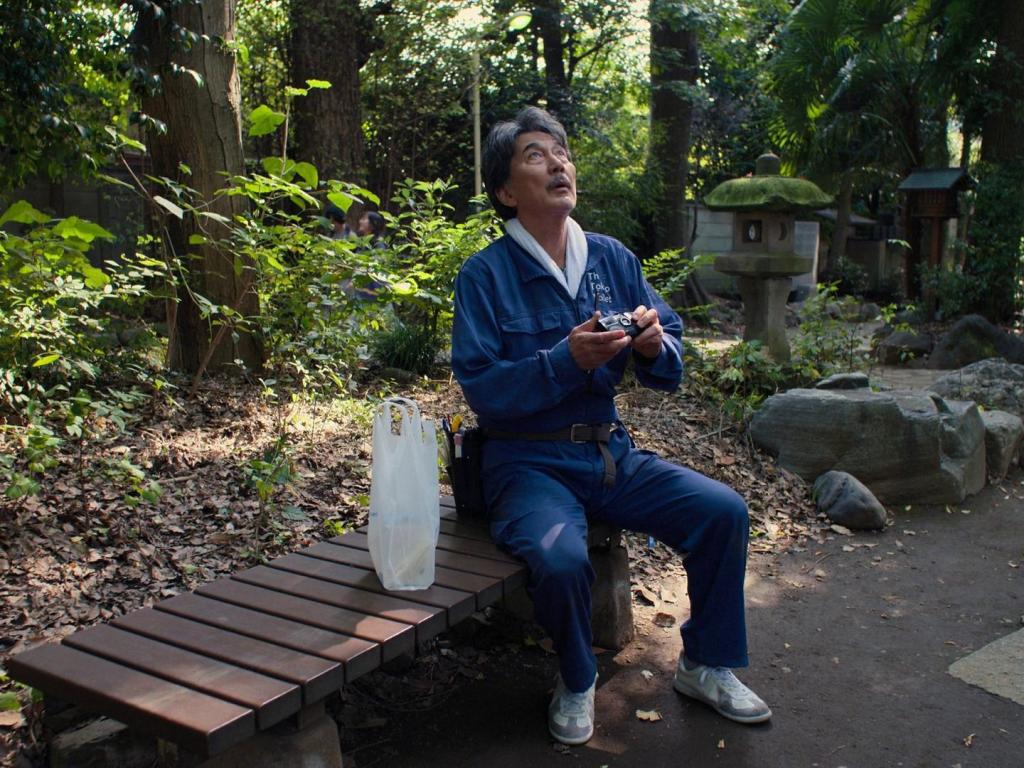
Thanks to its sole intended purpose as a military training shoe, the GAT has since been adopted by many fanbases. Whether it’s the Japanese Americana enthusiast, Margiela Replica lovers or just people after practical footwear, the Army Trainer is a classic option for all. Built during the post-plimsole era, the silhouette was an answer to German military personnel looking for a pair that could keep up with the demands of basic training.

Classic lines, a majority leather construction and hit of suede have made this a staple for many, including our main character Hirayama. Certainly tough enough to withstand the rigorous shifts of a Tokyo city toilet cleaner, this is an excellent example of where the GAT is serving a more functional role. As we witness throughout the runtime, Hirayama is a man of few possessions, with his trusty GATs a key part of his work uniform.
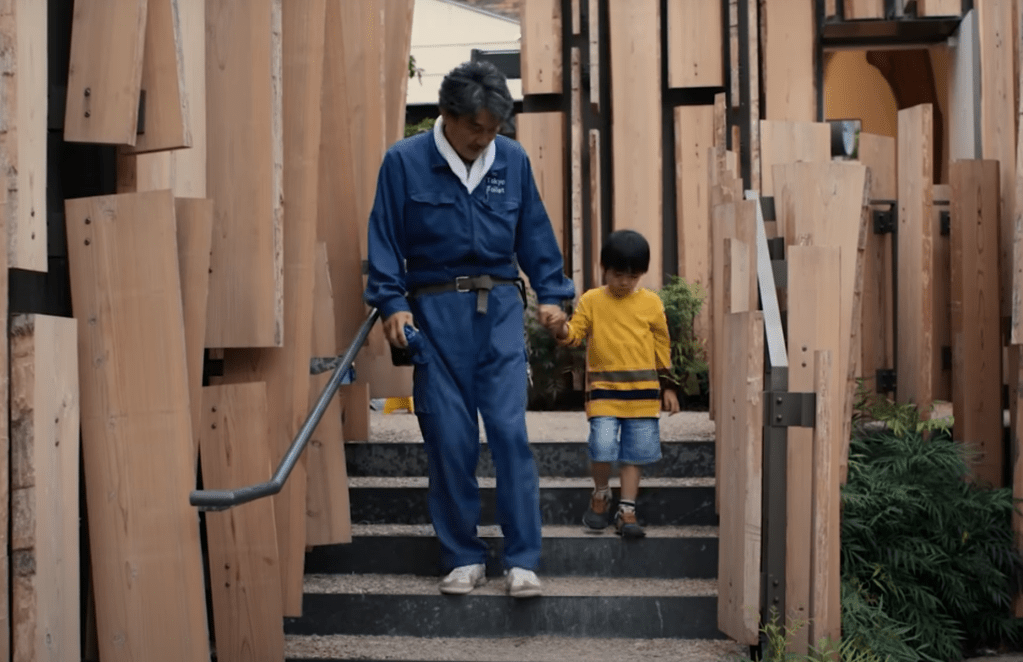
In my mind, this footwear-based choice made on behalf of customer designer Daisuke Iga was spot on. Even the white and grey colourway was the correct choice, revealing how meticulous our protagonist is at keeping his uniform clean, a detail made abundantly clear by the bright shade of white.
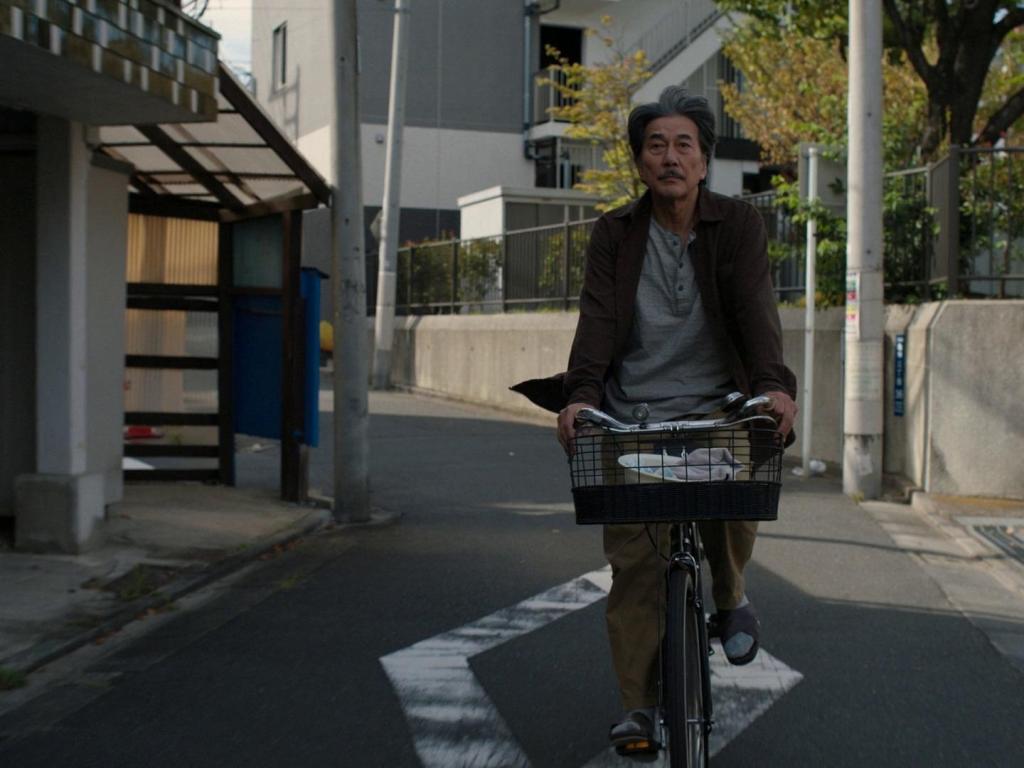
Other scenes such as the cycle ride with niece Nico show Hirayama putting aside his practical footwear and instead opting for a comfy pair of sandals. Another decision made by Daisuke is that of the traditional slides and how they imply a state of change outside the strict and almost military approach Hirayama takes towards his work. We can also see this through the rest of his outfit and demeanour, not to mention the zen mindset he communicates to his niece – “Next time is next time”.

It is only towards the end of the film in which we see a pair of New Balance 996 in a traditional NB Grey being sported. A shoe which was once a pinnacle of running technology upon its first release, the shoe much like our character is reluctant to cry out for attention.
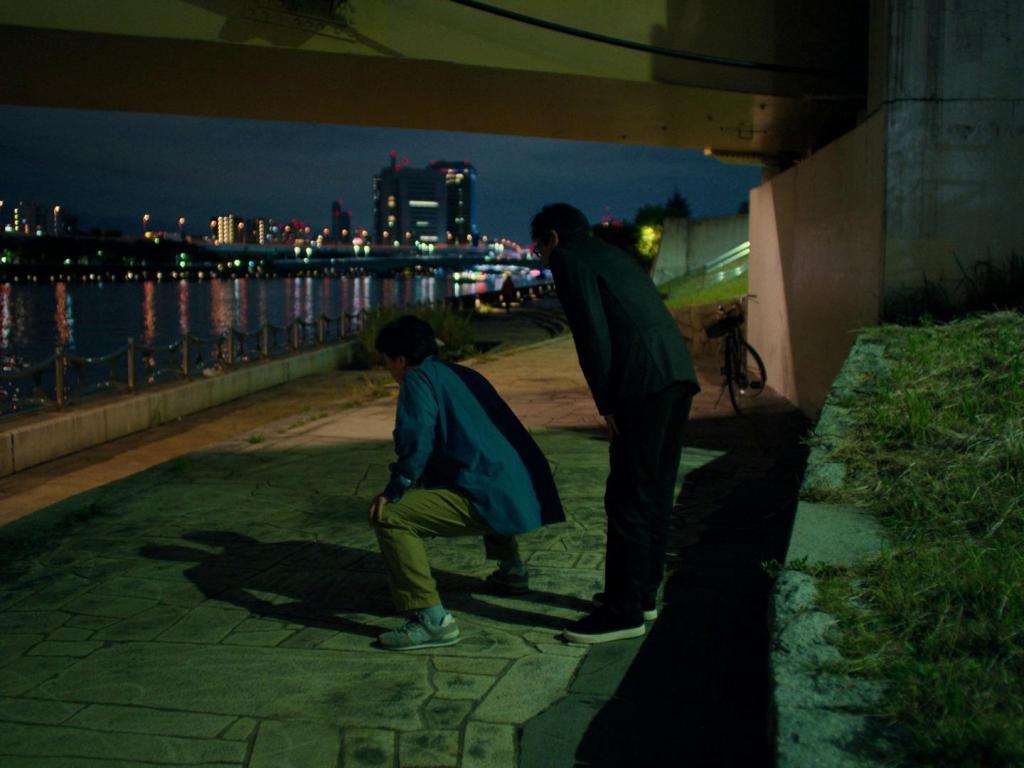
I have repeatedly watched this film since its release and will continue to do so for years to come – particularly because of the excellent costume design by Daisuke. While the film’s message is totally adjacent to the world of sneaker collecting, it emphasises the importance of looking after our possessions, no matter how much we own. This is a message some of us including myself should embrace.

Thoughts on – Notebook on Cities and Clothes (1989) by Wim Wenders

I was recently listening to the MUBI podcast when I came across an interesting name, Wim Wenders. Little did I know, I had saved his “Paris, Texas” (1984) on my MUBI watchlist. During the podcast, the interviewer referenced a documentary that Wenders had made on Yohji Yamamoto which I immediately made note of. I knew little of Yohji Yamamoto’s work bar his adidas sub-label, Y-3. Wanting to learn more about the fashion designer, I found his documentary available on YouTube (although you can watch it for free via Vimeo).

The documentary was unlike any other I’d seen before, with a small digital screen playing while Wenders would simultaneously travel whichever City he was in. Two scenes stood out to me; 1 – the scene in which Yohji is adding his signature to the store sign outside his first shop, and two – the part where he is flicking through a book full of images of people from what seems like the 40s.  This quote also stood out to me:

“Form and material, same old dilemma, same ritual as any other craft. Stand back, look, approach again, grasp, feel, hesitate, then sudden activity and then another long pause. After a while I began to see a certain paradox in Yohji’s work, what he creates is necessarily ephemeral. Victim to the immediate and voracious consumption which is the rule of his game. After all, fashion is about here and now. It only deals with today, never yesterday. By the same token, Yohji was inspired by the photographs of another time and by the work clothes of an era when people lived by a different rhythm and when work had a different sense of dignity. So it seemed to me Yohji expressed himself in two languages simultaneously; he played two instruments at the same time. The fluid and the solid. The fleeting and the permanent. The fugitive and the stable.” – Wim Wenders narration [20:15-21:15].

The scene at around 105 minutes also echoes this idea, as Yohji is fascinated by the people captured in the book. The quote taps into many themes, such as authenticity and ever-increasing cycles of fashion, both of which are more relevant than ever today. Given the documentary was recorded and released in 1989, it acts as another reminder of the power of nostalgia. As part of the Zillenial tribe who laments the simpler childhood days of the ‘90s, I didn’t realise it was the same for every other generation who were stuck romancing the past.

The people in the photos were born in a time when people were more present. People played less of a character as their circle of inspiration was smaller, the world felt smaller. Labour and goods wasn’t as frequently exported so the clothes of people reflected the hands-on nature of their role. The digital world was yet to exist so reality was very much in the here and now, playing out right in front of you, therefore you had to be dressed accordingly.

Clothing and textiles were nation or even state/county-based, therefore quality and function were that much better. These were clothes that would be lived in for years, also had to put up with the climate and ongoing hardships. Yohji understands this much better than most. This intimate level of knowledge can be seen throughout the entirety of his work.

Yohji eloquently summarises this when flicking through the book, “Men Of The Twentieth Century” by August Sander, “I’m especially curious about their faces, because of their career, life, business. They have exactly the right faces for that I think. I’m admiring their faces and clothing. For example, when I look at people on the street in a modern city, sometimes I can’t understand which profession they join in, they all look the same for me. But in this time, people looked like their profession and their background, their faces are their name card. Their clothes are very representative of their business and lives, so firstly I look at their faces and then imagine their profession.”

For perhaps the first time in centuries,there exists a gap between our identity and our work. This gap has only gotten wider since the documentary first aired, with the likelihood of it only expanding further. I recommend giving the documentary a watch, which you can do so here.